
Multi-Million Dollar Waste Avoided: Preventing AI Failure in Manufacturing
How a $750M manufacturer discovered the real path to AI before committing to a doomed multi-million dollar build.
Client Overview
An international specialty manufacturer in the electromagnetics space, approximately $750M in annual revenue and part of a larger conglomerate. Their growth depends on engineering throughput, and their engineering throughput depends on how quickly new electrical engineers can be brought up to speed and trusted with complex design work.
Challenge
The client wanted to build a custom AI model that would help engineers find optimal electromagnetics designs based on past work, performance constraints, and cost targets. The goal was to compress design cycles from weeks to hours and accelerate the onboarding of new engineers.
They had issued an RFP that would have generated multi-million dollar bids and committed them to a full custom AI build with risk across every dimension. Technical feasibility was uncertain as large language models are the wrong tool for 3D engineering topology. Data readiness was uncertain. Compute requirements were uncertain. And without first understanding how their engineers actually worked or what their data actually looked like, no honest vendor could confidently estimate the project.
Solution
Before the first contract was signed, we challenged the RFP. Rather than bid on the full build, we recommended a Discovery and AI Readiness engagement first, at a fraction of the original RFP estimate, to surface what was actually true before committing to a multi-million dollar build.
Working alongside specialist AI/ML partners, we spent several months inside their engineering organization: deep-dive workshops with the team, a full inventory of every data source (CAD and mesh files, ERP data, test reports, Excel sheets, external sources), end-to-end mapping of their manual planar topology workflow, and architecture evaluation grounded in their actual engineering reality.
The Finding
Despite massive troves of historical design data, the data was largely unstructured. Cleansing and standardizing it would be a significant undertaking, and no custom AI model could be trained meaningfully until that work was done.
This is one of the most common blockers to AI adoption in established companies, and it is invisible from the outside. The client's original RFP would have spent its budget building a model on top of data that wasn't ready to support one.
Outcome
The client avoided committing to a doomed multi-million dollar project. They are now investing first in a data collection and standardization platform that will create the foundation a custom AI model actually needs. The custom AI model is deferred until the data foundation is in place, which is the order in which the work has to happen for it to succeed.
Why This Matters
Most AI engagements fail at the data layer, not the model layer. The discipline of validating data readiness before committing to a model is what separates AI that ships from AI that gets quietly shelved. Discovery cost a fraction of the original RFP and produced something more valuable than a faster path forward: an honest, evidence-based answer about what was actually possible to build.
More Work
Related Case Studies
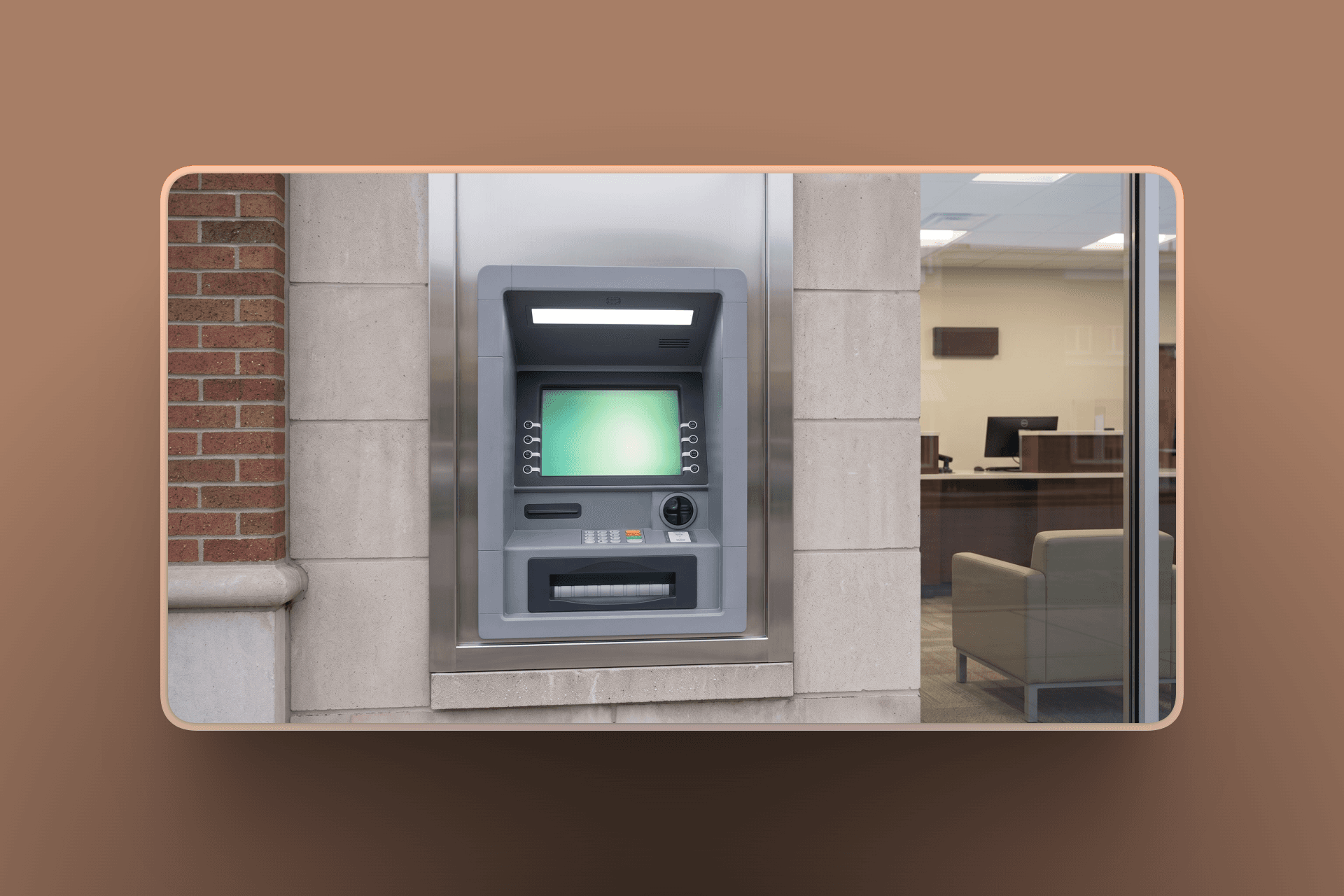
Catching Survey Problems Weeks Earlier: What a Six-Week Feasibility Sprint Proved
An ATM installer wanted AI to write its site survey recommendations. A $15K sprint showed the bigger win was catching bad survey data weeks earlier, before crews had to go back out, and what it would take to get there.
Product StrategyCloudAI Development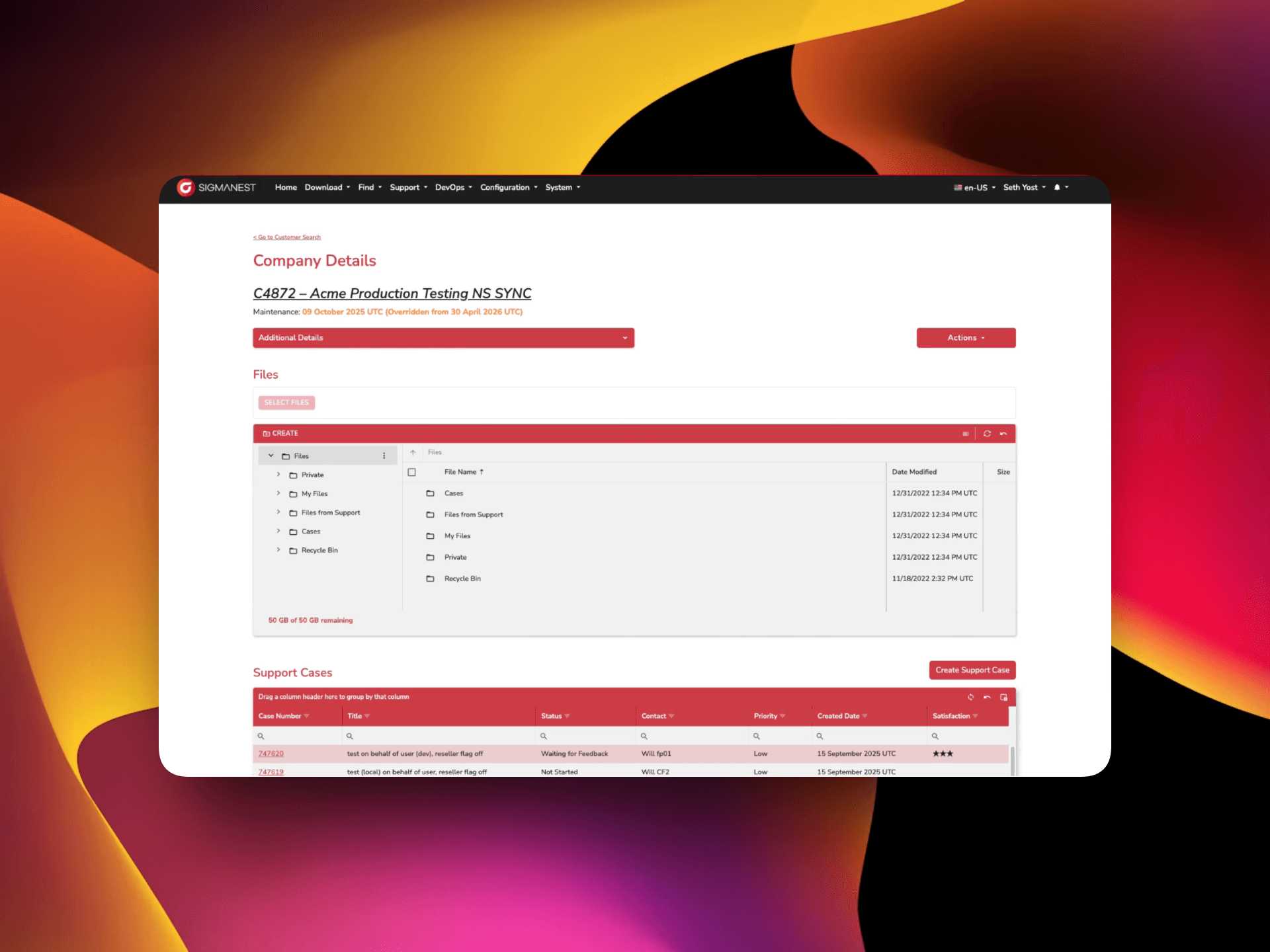 SigmaNEST
Future-Proofing SigmaNEST: From Legacy Constraint to Competitive Advantage
How we helped a global software leader swap their essential business data warehouse without slowing down day to day operations.
WebCloudProduct Strategy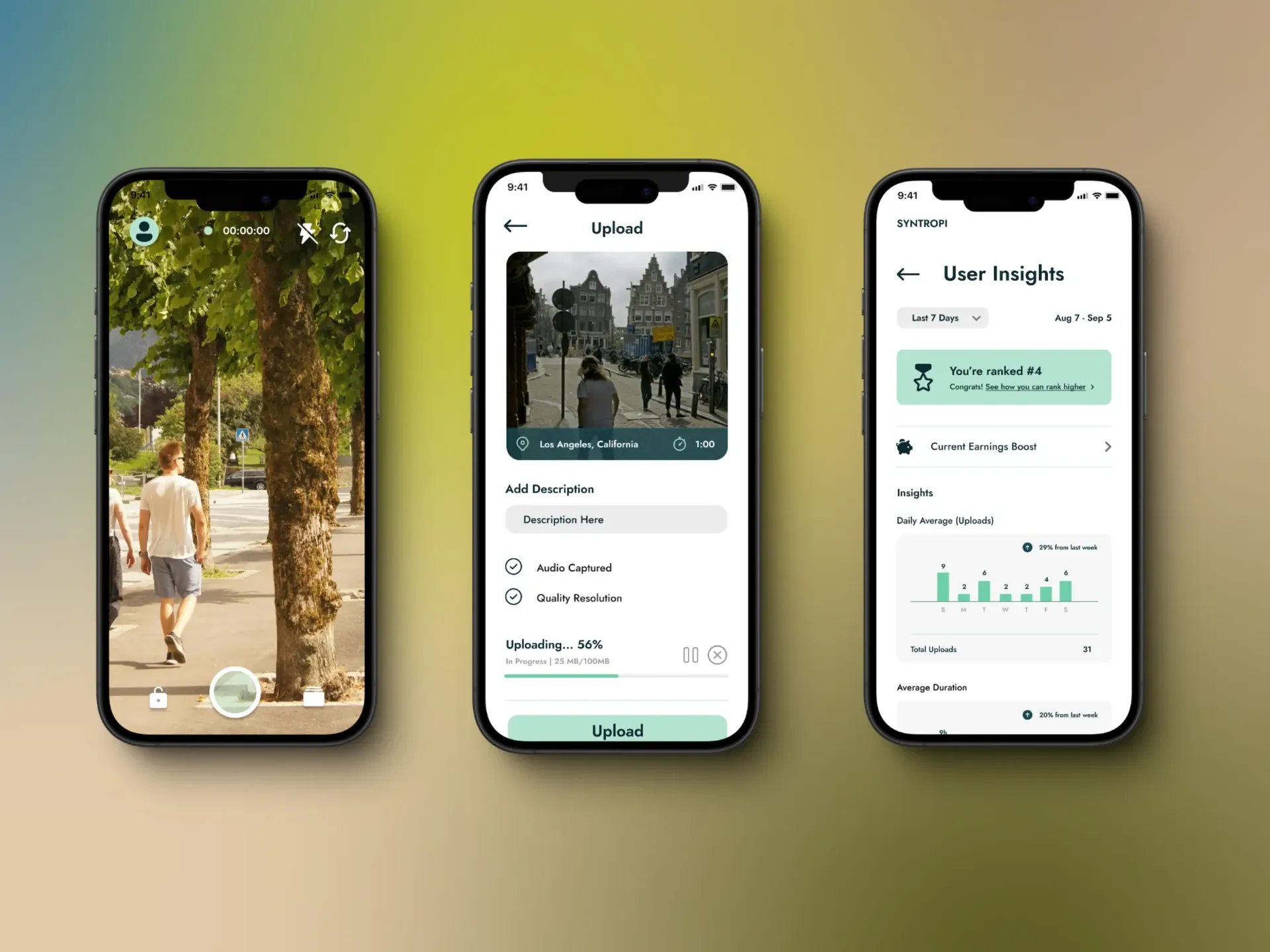 Syntropi
75% Cost Reduction: How Syntropi Validated Before Building
Starting Smart: How a Startup Balanced Innovation and Budget. Syntropi is a startup in the field of AI and data collection, with a mission to improve data cleanliness, consistency, and privacy for generative AI models.
Product StrategyDesignMobileWebCloudAI Development75%Cost Reduction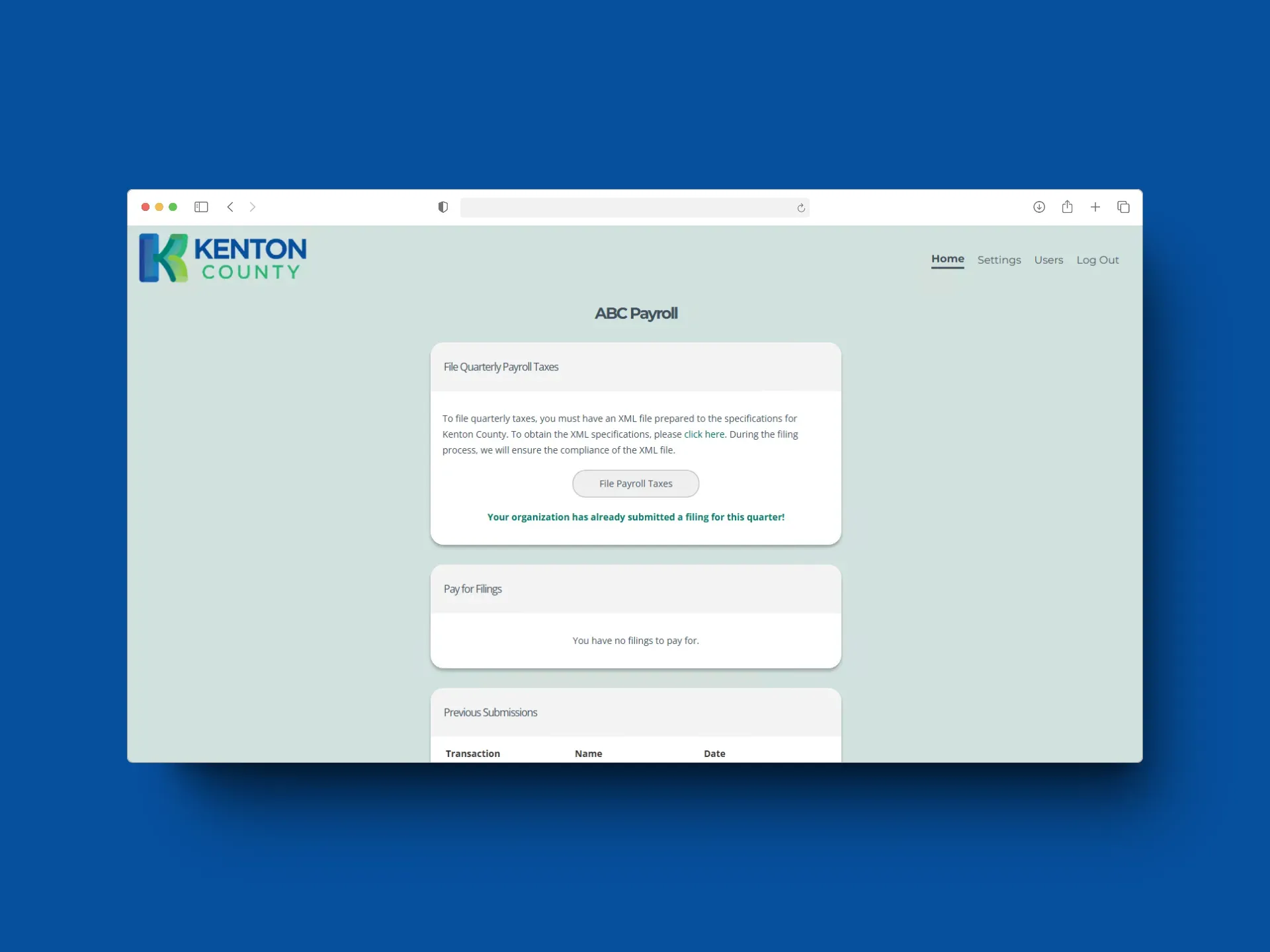 Kenton County
Kenton County Payroll Imports
Scaling Tax Filings: Using Azure Functions to Improve Payroll Tax Services for Kenton County. Building a self-service portal for payroll companies to file on behalf of hundreds of clients at once.
WebCloudProduct StrategyDesign700Filings in Q1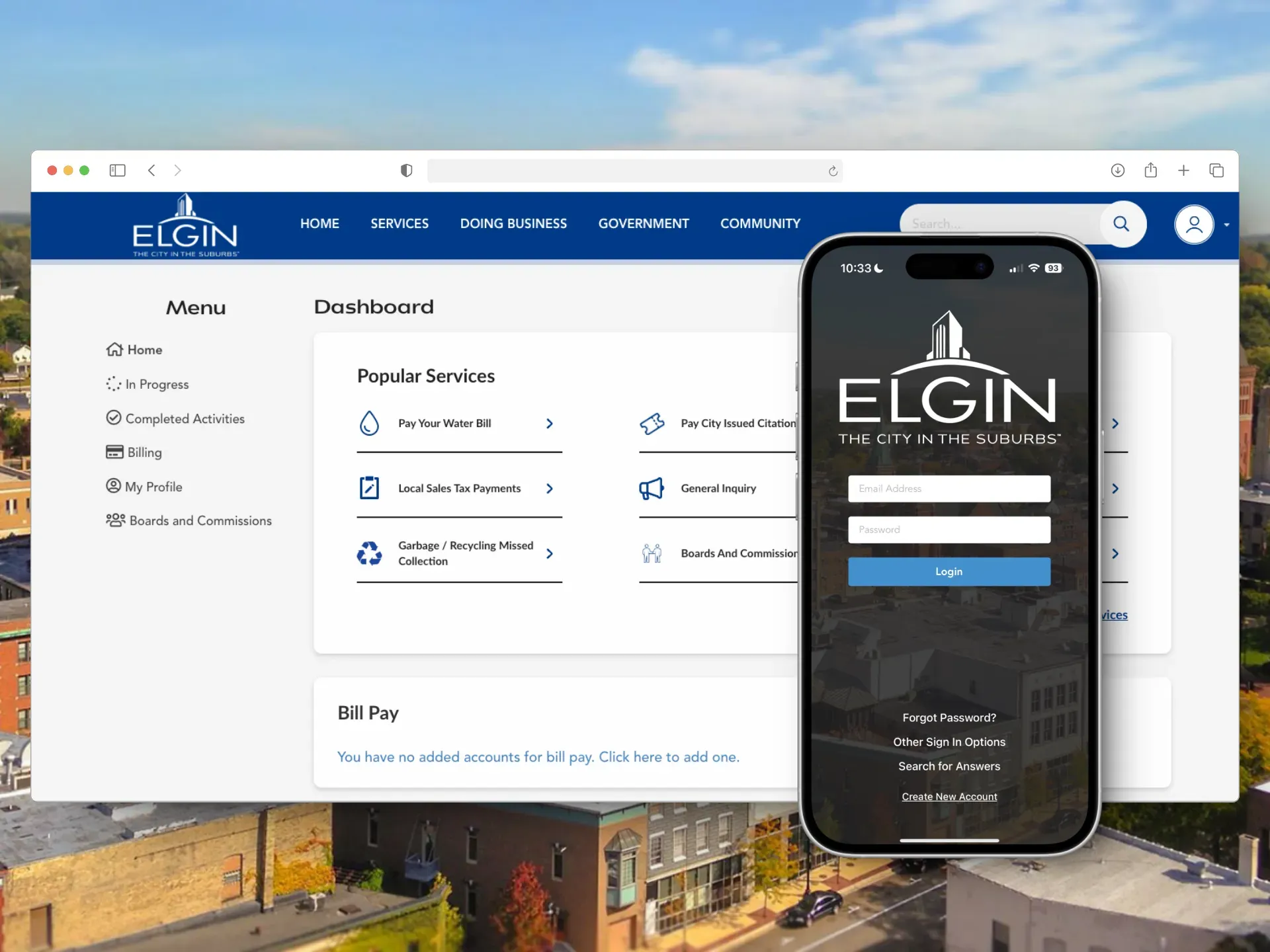 City of Elgin, IL
Product Development – City of Elgin, IL
Empowering Civic Engagement: Transforming Elgin's Digital Landscape for Seamless Citizen Interaction. Building an "all in one" mobile and web platform for over 110,000 residents.
WebMobileProduct StrategyDesign18k+Users Government of Bermuda
Bermuda Tree Frog News and Alerts
Engaging Citizens, Empowering Students: A Mobile Solution for the Government of Bermuda. A mobile app to keep citizens informed of news, events, and emergency alerts across the island.
MobileCloudProduct StrategyDesign2000%Usage Increase During Hurricane Atlas 10
Product Development – Atlas 10
The Journey to Simplified Data Management at Atlas 10. Atlas 10 Pavement Performance Consulting disrupts the traditional reactive "break/fix" model for asphalt and concrete pavements using GPS/Geodata mapping technology.
WebProduct StrategyDesign2XSurveys Performed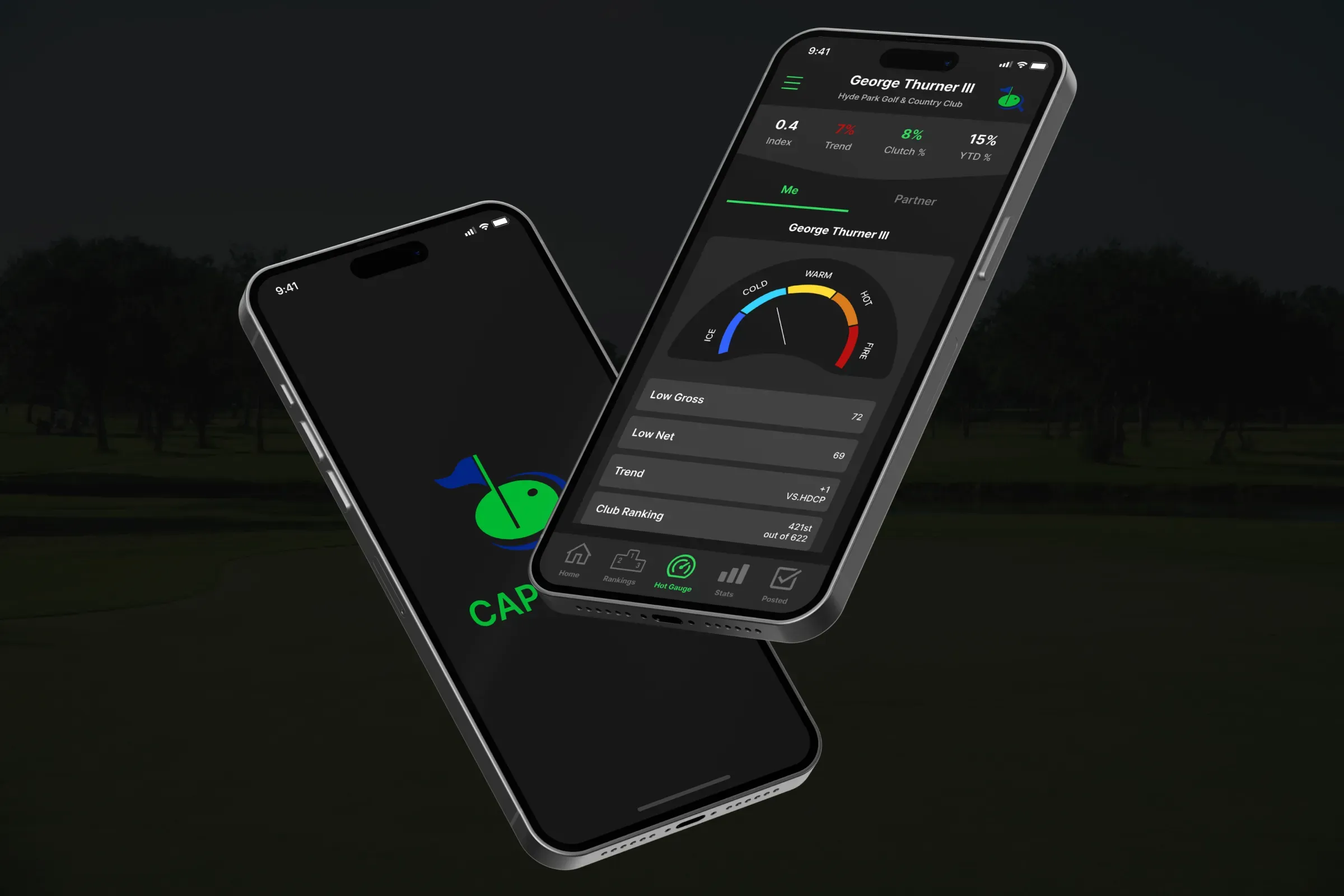 Cap Patrol
From Daily Crashes to $1M+ Revenue: Rebuilding Cap Patrol's Platform
Cap Patrol partnered with Seven Hills Technology to rebuild and scale its platform for maintaining golf handicap integrity through automated score auditing and real-time data syncing. The result is a stable, modern system that protects fair play, improves user engagement, and unlocks over $1M in new annual revenue potential.
WebMobileProduct Strategy100%Platform Uptime Enterprise Client
New Language in Under an Hour: How AI Replaced a Manual Translation Bottleneck
Creating easily scalable translations with Azure AI. The client operates an extensive inventory management system requiring multilingual capabilities to support their global user base with over 1.2 million products.
AI DevelopmentCloud270+Hours Saved
Have a project in mind?
We’d love to hear about it. Every engagement starts with a conversation about where you are and where you want to go.
Start a Conversation